Technical Indicator

Mastering Daily Pivot Points: Your Guide to Trading Success
MetaTrader4
Mastering Daily Pivot Points: Your Guide to Trading Success

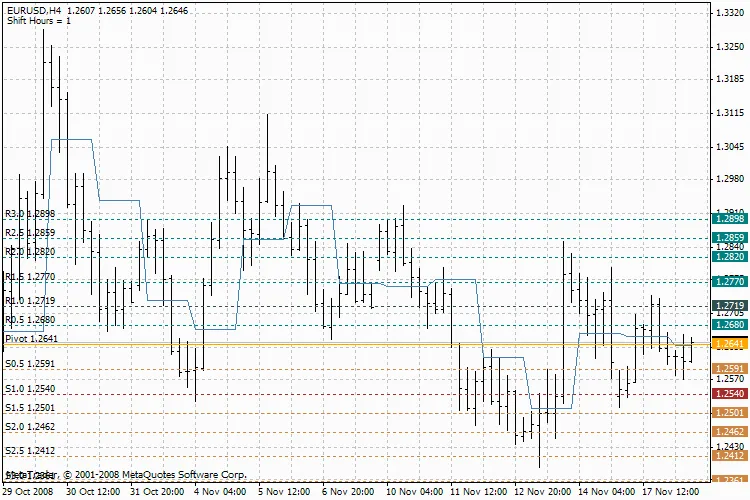
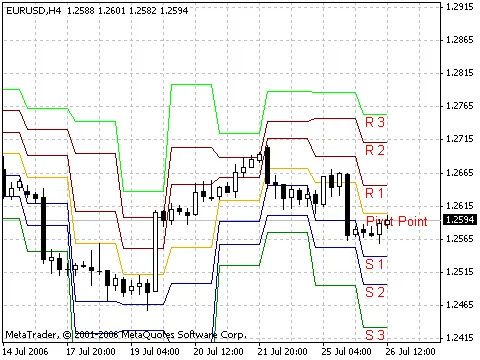
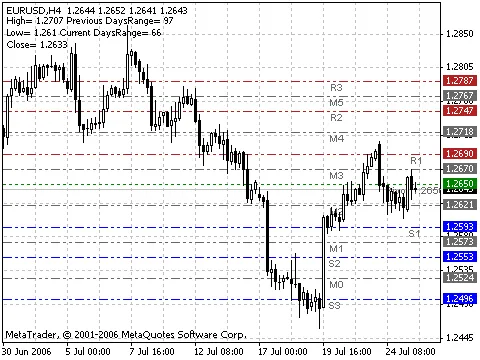
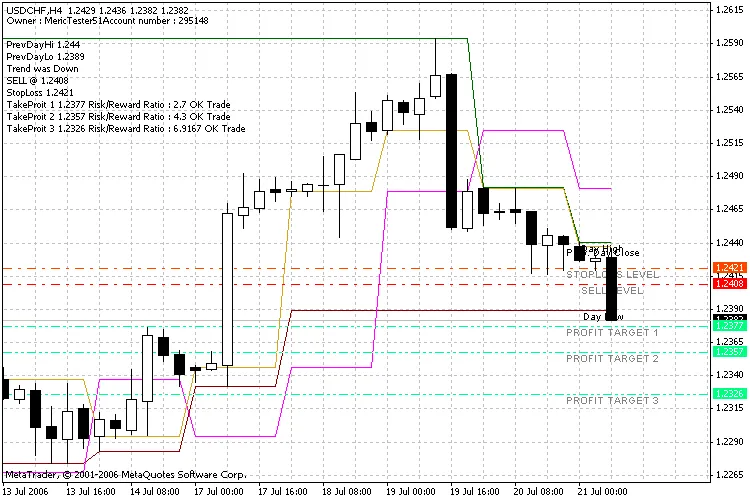
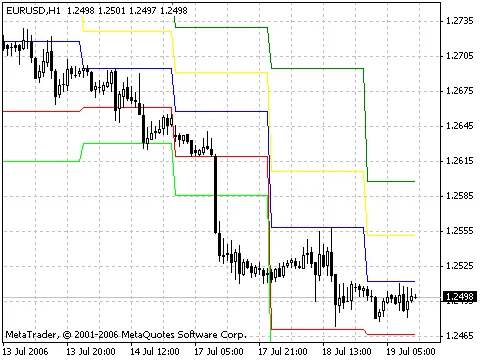
Have you ever wished for a tool that helps you pinpoint market movements more accurately? Enter the DailyPivot_Shift indicator! This nifty tool lets you calculate key levels based on the start of the trading day in your local time zone—no more relying on server time. For example, if you're trading in a GMT-8 zone, you’ll be able to tailor your analysis to suit your schedule. The DailyPivot Points indicator is a game-changer. Unlike other tools that often lag behind the market, this one crunches the data from the previous day to help forecast short-term trends. It gives you actionable insights into where the market might head next! So, what exactly is a Pivot Point (PP)? Think of it as the equilibrium level where the price tends to hover throughout the day. By taking the previous day’s High, Low, and Close, you can compute a total of 13 levels for shorter timeframes. These include the balance point, 6 resistance levels, and 6 support levels, all termed as reference points. Understanding these reference points allows you to easily identify shifts in short-term trends. Among these, the most crucial are: Pivot Point Level Resistance1 (RES1.0) Support1 (SUP1.0) When the price dances between these levels, you’ll often notice significant breaks or even reversals. So, what can you expect from the DailyPivot Points indicator? It forecasts the range of price fluctuations. It shows potential stopping points for price movements. It indicates possible turns in price direction. If the market opens above the pivot point, consider it a green light for a long position. Conversely, if it opens below, it might be time to think short. Using pivot points is all about tracking and identifying potential reversals or breakouts as prices hit resistance (RES1.0) or support (SUP1.0). When prices reach those further levels—like RES2.0, RES3.0, or SUP2.0, SUP3.0—you'll often find the market is either overbought or oversold, making those levels prime exit points.

2006.07.28
Understanding the Ergodic Oscillator: A Trader's Guide
MetaTrader4
Understanding the Ergodic Oscillator: A Trader's Guide

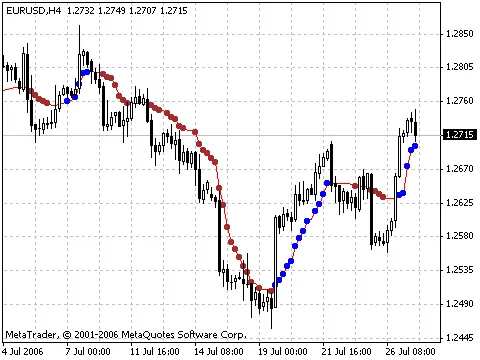
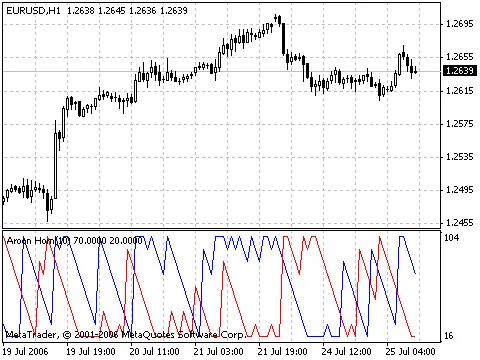
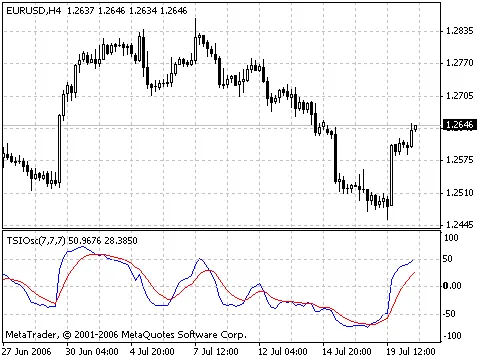
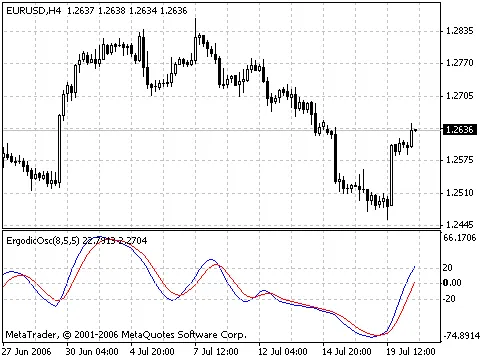
The Ergodic Oscillator is an essential tool for traders looking to refine their strategies and better understand market movements. In this post, we’ll dive into what the Ergodic Oscillator is, how it works, and how you can effectively use it in your trading arsenal.What is the Ergodic Oscillator?The Ergodic Oscillator is a momentum indicator that helps traders identify potential buy and sell signals. Developed by the renowned trader Bill Williams, this oscillator combines elements of both trend-following and momentum strategies, making it a versatile addition to your trading toolkit.How Does It Work?The Ergodic Oscillator operates by calculating the difference between two moving averages and incorporating a signal line to help traders pinpoint entry and exit points. Here’s a quick breakdown of its components:Fast EMA: A shorter-term moving average that responds quickly to price changes.Slow EMA: A longer-term moving average that smooths out price data.Signal Line: A crucial component that indicates potential reversals or confirmations.Using the Ergodic Oscillator in TradingWhen it comes to trading, timing is everything. The Ergodic Oscillator can assist you in making informed decisions. Here are a few tips on how to use it effectively:Identify Trend Reversals: Look for crossovers between the oscillator and the signal line as potential reversal points.Spot Divergences: Watch for divergences between price action and the oscillator, which can indicate weakening momentum.Combine with Other Indicators: Use the Ergodic Oscillator alongside other indicators, like RSI or MACD, for confirmation.Integrating the Ergodic Oscillator into your trading strategy can enhance your ability to make well-informed decisions. As with any trading tool, practice is key. Start by applying it on a demo account before using it with real capital.

2006.07.21
Understanding the Correlation Between USDCHF and EURUSD
MetaTrader4
Understanding the Correlation Between USDCHF and EURUSD

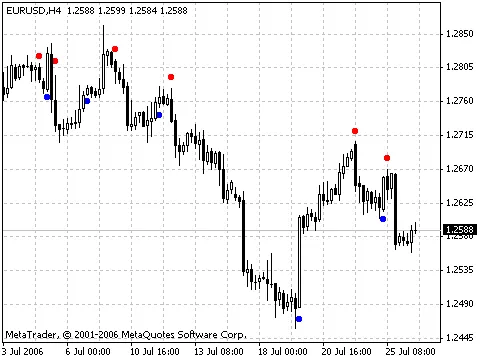
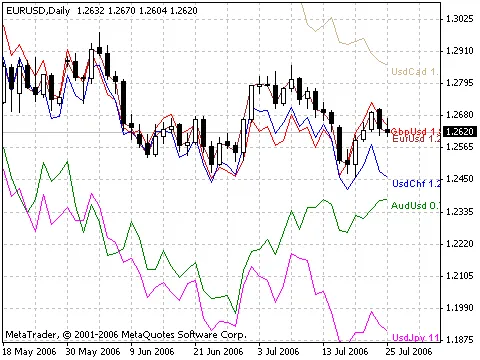
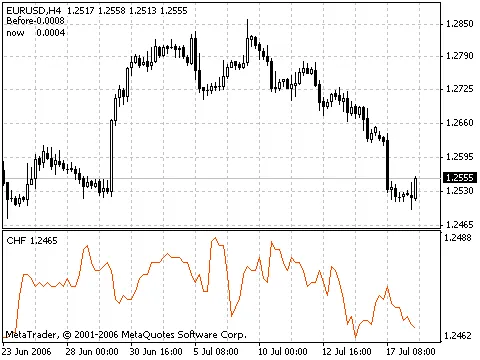
Correlation Between USDCHF and EURUSD If you're trading forex, understanding the correlation between currency pairs is crucial. Today, let's dive into the relationship between USDCHF and EURUSD. Knowing how these pairs move in relation to one another can give you a significant edge in your trading strategy. The USDCHF (US Dollar to Swiss Franc) and EURUSD (Euro to US Dollar) pairs often exhibit a strong correlation. Typically, when one pair moves, the other tends to follow suit. This behavior is largely due to the fact that both pairs involve the US Dollar, which acts as a common factor affecting their prices. Why Does This Matter? Risk Management: Understanding the correlation can help you manage your risk better. If you’re holding positions in both pairs, a significant move in one can impact your overall exposure. Trading Opportunities: By monitoring the correlation, you can spot potential trading opportunities. For instance, if the USDCHF starts to strengthen while EURUSD weakens, it might be a good time to consider a position. Market Sentiment: The relationship can also reflect broader market sentiment. A strong correlation often indicates that traders are responding to similar economic news or events. In conclusion, keeping an eye on the correlation between USDCHF and EURUSD can enhance your trading strategy. By understanding how these pairs interact, you'll be better equipped to make informed trading decisions. Happy trading!

2006.07.19
First Previous 392 393 394 395 396 397 398 399 400 401 Next Last