
The Keltner Channel is a classic technical analysis tool that's been around since 1960, thanks to Chester W. Keltner. If you've dabbled in trading, you might find this indicator reminiscent of Bollinger Bands or Envelopes. It features three key lines: the middle line, which is a 10-day simple moving average based on the typical price, calculated as (high + low + close) / 3. Then, we have the upper and lower bands, which are created by adding and subtracting the moving average of the daily price range (the difference between the high and low) from that middle line. In essence, this forms a volatility-based channel. You can tweak all the parameters of the moving average in this version, available for both MT4 and MT5 platforms.
Input Parameters
- MA_Period (default = 10) — This sets the period for the moving average that forms the middle line.
- Mode_MA (default = MODE_SMA) — This defines the type of moving average used for the middle line.
- Price_Type (default = PRICE_TYPICAL) — This indicates which price is applied to the moving average (middle line).
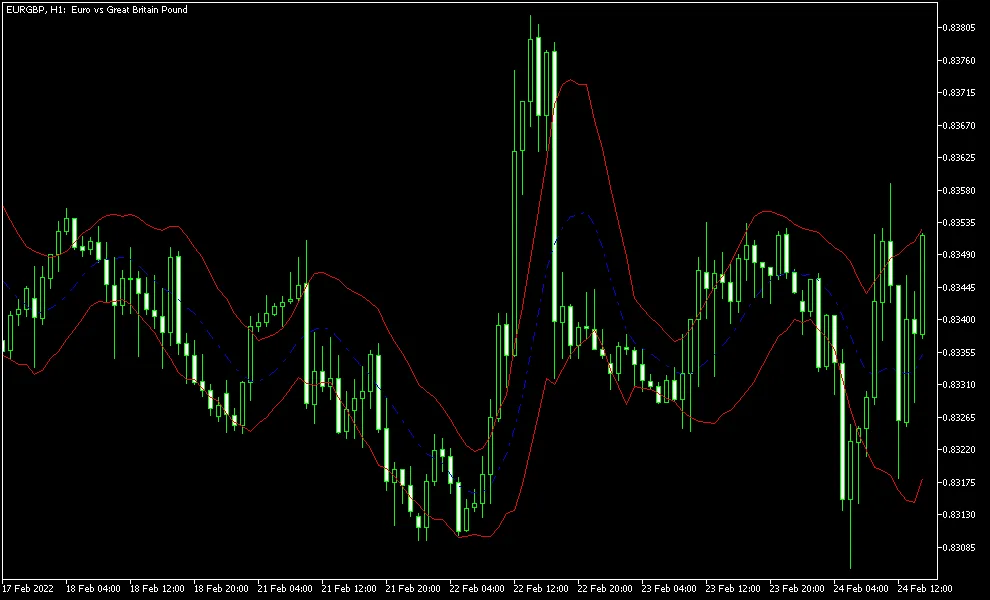
When it comes to trading with the Keltner Channel, the classic strategy is quite straightforward. You would look to go long when the price closes above the upper band and consider going short when it closes below the lower band. This method can serve as a solid entry system. For exits, you can rely on three main components: setting a conservative stop-loss (since false signals can pop up now and then), opting for a more distant take-profit target, or when the price crosses back through the middle line. Some traders even recommend using additional indicators for added confirmation.
Mathematically speaking, the channel is designed to weigh the bands more heavily towards the upper side during uptrends and towards the lower side during downtrends. Essentially, this means that during a strong upward trend, the upper line is less likely to be broken, while in a downtrend, the opposite is true.




Comments 0