
If you're looking to sharpen your trading strategy, the Onisuk_Filter is a nifty tool to consider. Named after its creator, this directional filter is designed to enhance your trading, especially with certain candlestick patterns.
This indicator offers three distinct filtering scenarios to help you navigate the markets:
-
Power Trend (strong trend)
- Buy signal:
- EMA 3 > EMA 7;
- EMA 7 > EMA 50.
- Sell conditions: simply the opposite of the buy signals.
- Buy signal:
-
Medium MA Bounce (medium moving average bounce)
- Buy signal:
- EMA 20 > EMA 50;
- Low of the candlestick < EMA 20;
- Open of the candlestick > EMA 20;
- Close of the candlestick > EMA 20.
- Sell conditions: again, the opposite of the buy signals.
- Buy signal:
-
Long MA Bounce (long moving average bounce)
- Buy signal:
- EMA 20 > EMA 50;
- Low of the candlestick < EMA 50;
- Open of the candlestick > EMA 50;
- Close of the candlestick > EMA 50.
- Sell conditions: just like before, do the opposite.
- Buy signal:
This indicator comes with seventeen input parameters that let you customize your trading experience:
-
Use scenario 1 "Power Trend" - toggle for scenario 1 (Yes/No)
- Scenario 1, Period 1: first MA calculation period;
- Scenario 1, Method 1: first MA calculation method;
- Scenario 1, Period 2: second MA calculation period;
- Scenario 1, Method 2: second MA calculation method;
- Scenario 1, Period 3: third MA calculation period;
- Scenario 1, Method 3: third MA calculation method.
-
Use scenario 2 "Medium MA Bounce" - toggle for scenario 2 (Yes/No)
- Scenario 2, Period 1: first MA calculation period;
- Scenario 2, Method 1: first MA calculation method;
- Scenario 2, Period 2: second MA calculation period;
- Scenario 2, Method 2: second MA calculation method.
-
Use scenario 3 "Long MA Bounce" - toggle for scenario 3 (Yes/No)
- Scenario 3, Period 1: first MA calculation period;
- Scenario 3, Method 1: first MA calculation method;
- Scenario 3, Period 2: second MA calculation period;
- Scenario 3, Method 2: second MA calculation method.
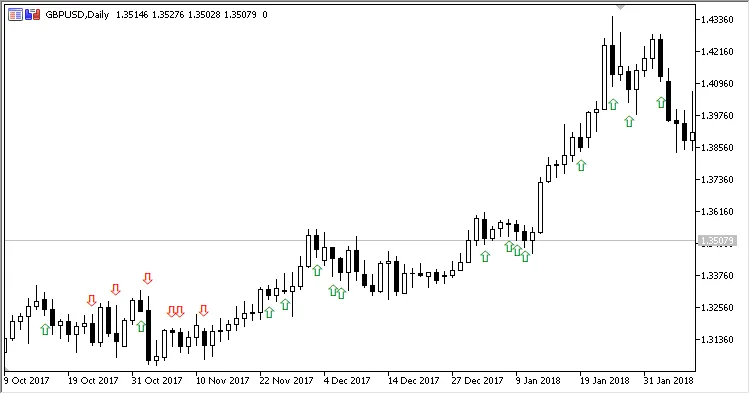
Fig.1 Filter, scenario 1
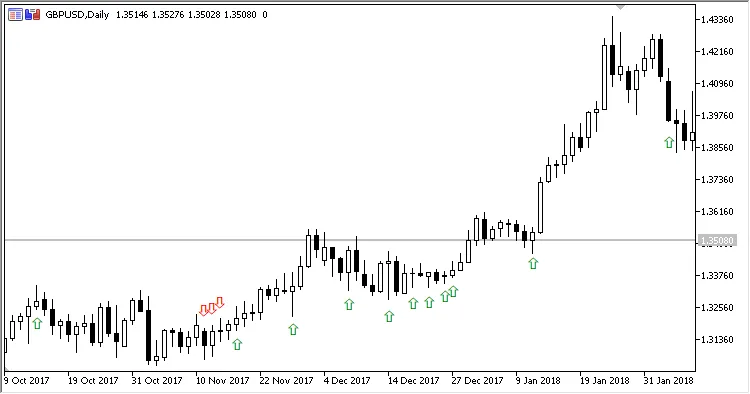
Fig.2 Filter, scenario 2
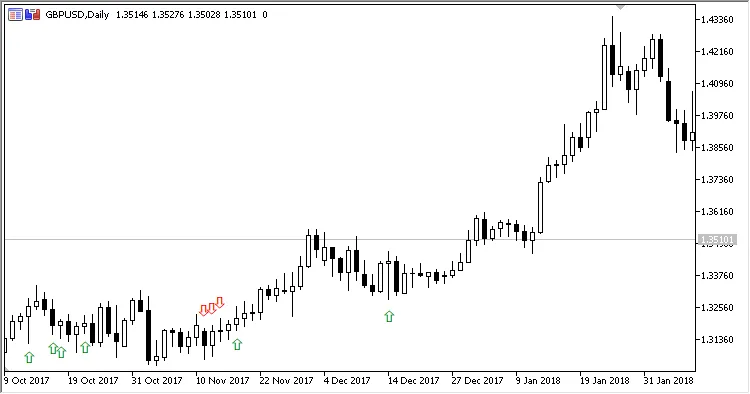
Fig.3 Filter, scenario 3




Comments 0