
Understanding the Hull Moving Average (HMA)
Insights by Alan Hull
Back in 2005, while developing a new trading indicator, I stumbled upon a common issue that many traders face: the lag in moving averages. This led to the creation of the Hull Moving Average.
Since its inception, the HMA has gained popularity among traders worldwide and is frequently discussed across various trading forums. I shared my findings in an article that you can read here.
The Hull Moving Average effectively addresses the long-standing challenge of balancing responsiveness to current price movements with the need for a smooth curve. In fact, it nearly eliminates lag while enhancing the overall smoothness of the average.
To grasp how it accomplishes these seemingly contradictory goals, let’s start with a straightforward comparison. The chart below showcases a 16-week simple moving average, which continuously lags behind price action and lacks smoothness.
HMA Formula
Integer(SquareRoot(Period)) WMA [2 x Integer(Period/2) WMA(Price) - Period WMA(Price)]
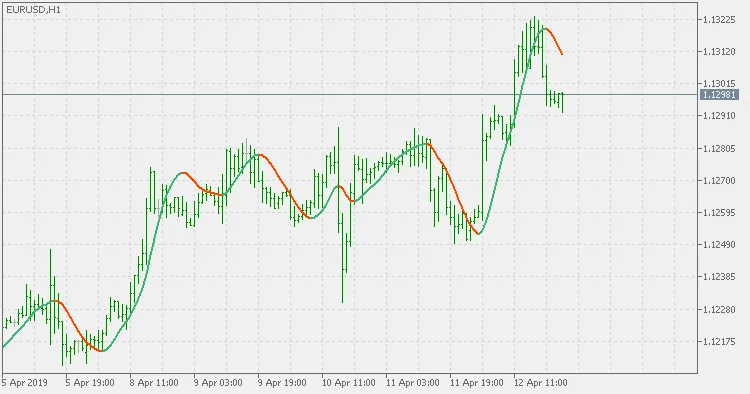
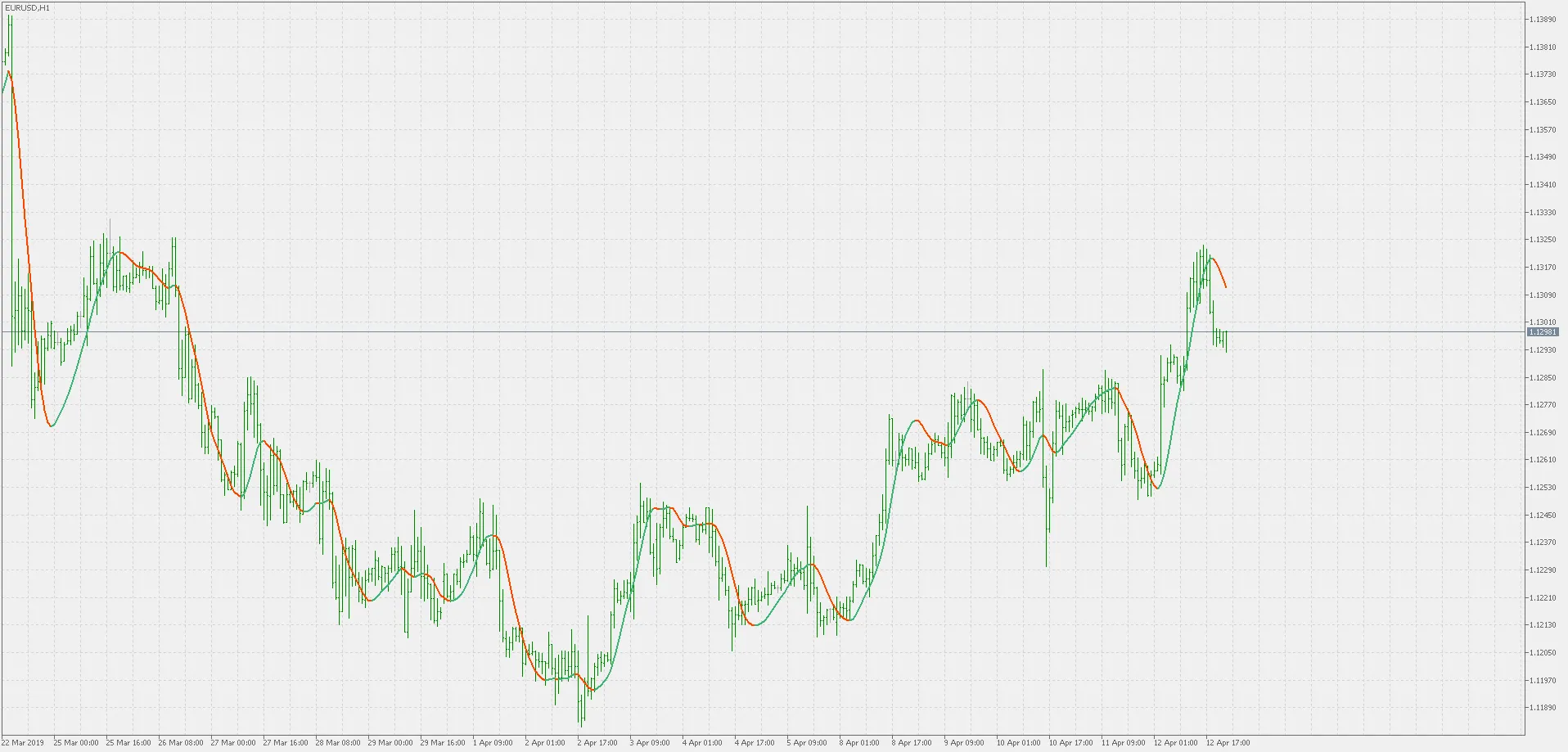
This version of the HMA is a slight variation from the original indicator. It introduces a parameter known as "speed" which allows for fine-tuning of both smoothness and responsiveness to sudden market shifts—making it more adaptable. This rendition is part of a "back-to-basics" series: it emphasizes that we need speed in execution, regardless of which MetaTrader version we’re using. This version calculates the HMA in such a way that changing the period does not affect execution time.
As always, I recommend experimenting with the parameters before incorporating it into your trading strategy.




Comments 0