
Average True Range (ATR) is a powerful technical indicator that traders use to gauge market volatility.
Developed by Welles Wilder in his influential book "New Concepts in Technical Trading Systems", the ATR has since become a staple in many trading strategies.
Typically, you’ll see ATR spike during market bottoms, especially after a significant drop due to panic selling. Conversely, when the ATR is low, it often indicates a period of consolidation or sideways movement, which usually occurs at market tops.
You can think of ATR in the same way as other volatility indicators: a higher ATR value suggests an increased likelihood of a trend change, while a lower value indicates a weaker trend movement.
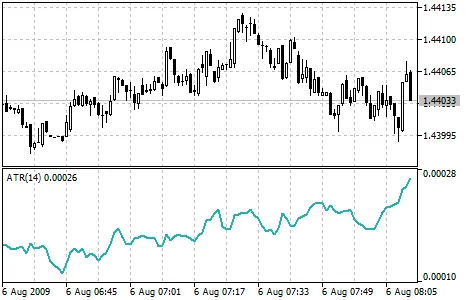
How to Calculate ATR:
To get the True Range, you’ll want to look at the highest of these three values:
- The difference between the current high and low;
- The difference between the previous closing price and the current high;
- The difference between the previous closing price and the current low.
Finally, the ATR itself is essentially a moving average of these True Range values, helping you smooth out the data for better insights.




Comments 0