
If you're looking to boost your trading game, the Larry Conners RSI 2 strategy could be the ticket. This system incorporates three key indicators: the Relative Strength Index (RSI), a fast Moving Average (5-period), and a slow Moving Average (200-period).
The essence of this strategy is simple: identify the overall trend using the slow Moving Average (MA 200) and then capitalize on price fluctuations—buying on dips and selling on rallies.
Long Entry Rules
- RSI (2-period) reads below 6.
- The close of the previous candle is above the slow Moving Average.
Long Exit Rules
- The close is above the fast Moving Average.
Short Entry Rules
- RSI (2-period) reads above 95.
- The close of the previous candle is below the slow Moving Average.
Short Exit Rules
- The close is below the fast Moving Average.
Input Parameters
inputdouble   lot = 1;                  //Lotsinputint      shortSmaPeriods = 5;      //Fast MA periodinputint      longSmaPeriods = 200;     //Slow MA periodinputint      RSIPeriods = 2;           //RSI Period inputint      RSILongEntry = 6;         //RSI Long Entryinputint      RSIShortEntry = 95;       //RSI Short Entryinputint      slippage=3;
inputbool     useStopLoss=true;       //Use Stop Lossinputdouble   stopLossPips=30;        //Stop Loss (pips)inputbool     useTakeProfit=true;     //Use Take Profitinputdouble   takeProfitPips=60;      //Take Profit (pips)
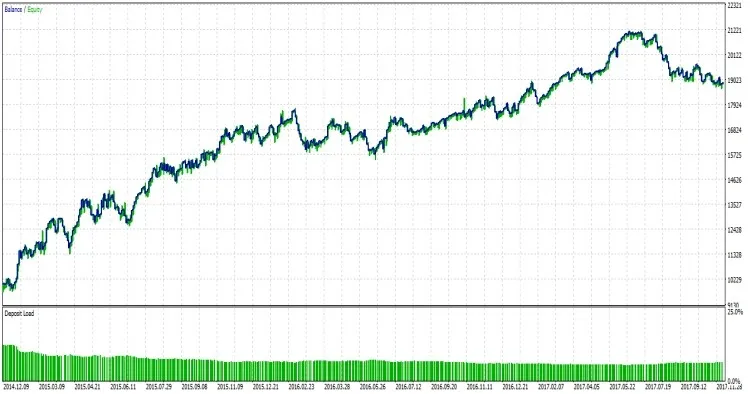
For best results, try this strategy on the EUR/USD pair using a 1-hour timeframe. Don’t hesitate to tweak the input parameters to find what works best for you!




Comments 0