
Bollinger Bands Squeeze - The Calm Before the Storm
The Bollinger Bands Squeeze is one of the most potent signals you can spot when using the Bollinger Bands indicator. It highlights a phase of low market volatility that’s about to break, hinting at a significant price movement ahead.
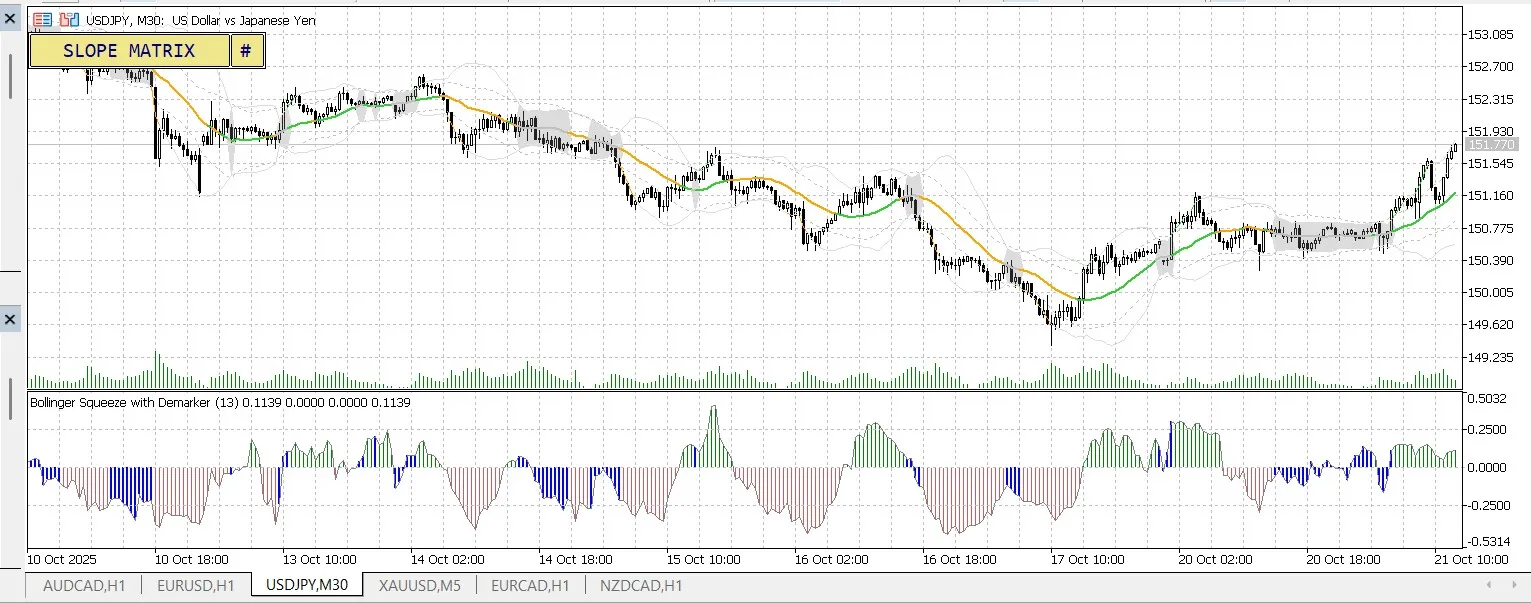
1. What are Bollinger Bands?
This technical analysis tool consists of three lines:
Middle Band: A 20-period Simple Moving Average (SMA).
Upper Band: Middle Band + (2 x Standard Deviation).
Lower Band: Middle Band - (2 x Standard Deviation).
The upper and lower bands expand and contract based on market volatility.
2. When Does the "Squeeze" Happen?
A Bollinger Bands Squeeze occurs when the upper and lower bands contract and draw closer together. This indicates:
The market is in a "consolidation" phase.
Price volatility is significantly low.
Buying and selling pressures are balanced.
Visually, the bands coiling tightly resemble a squeeze, compressing the market's energy and tension.
3. The Meaning: It Forecasts a Major Move
As the saying goes, "The tighter the squeeze, the bigger the move." When the bands start to expand again after a squeeze, it’s a clear signal that:
The consolidation phase has ended.
A new, strong trend is on the horizon.
The price is likely to "break out" of its trading range with considerable momentum.
Crucial Note:
The Squeeze alerts you to an impending volatile move; however, it doesn’t predict the direction.
To confirm the breakout direction (up or down), look for:
A sharp increase in trading volume.
Additional technical signals (like candlestick patterns, RSI, etc.).
In summary, the Bollinger Bands Squeeze is an invaluable tool for identifying when the market is in the "quiet before the storm." When you notice a squeeze, it's time to gear up for a significant price movement.




Comments 0