
The Darvas Box trading method, developed by Nicolas Darvas, has gained traction in the US and Europe, but it’s still somewhat under the radar here. Let's dive into what makes this technique a valuable tool for traders.
At its core, the Darvas Box method is designed for identifying new trends. When a bullish trend is confirmed, buy signals are generated, and stop-loss levels are established simultaneously. This approach is particularly advantageous for those of us juggling full-time jobs, as it can be effectively applied using daily charts.
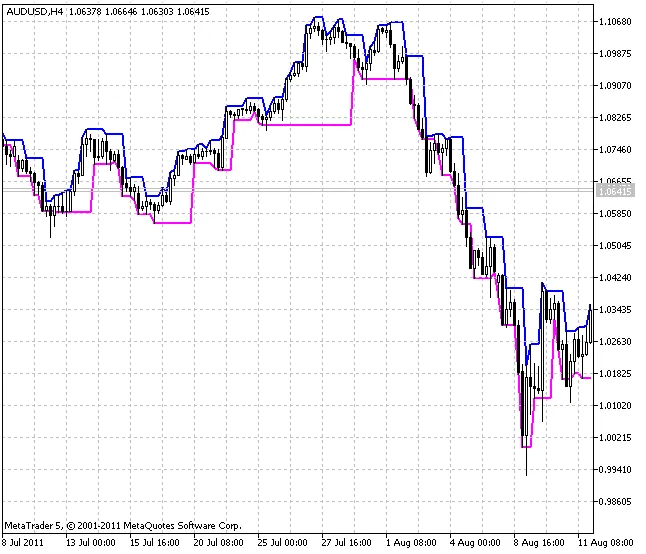
Central to Darvas's strategy is the Darvas Box itself, which acts as a filter to assess significant market movements. This filter consists of an upper and lower boundary that define the trading area.
Here's a quick overview of how it works:
- Buy Signal: Triggered when the price breaks above the upper boundary.
- Stop-Loss Level: Set just below the lower boundary.
- New Area Formation: If a new trading area forms, the stop-loss is adjusted to the new lower boundary.
- Sell Signal: The reverse applies when the price breaks below the lower boundary.
Now, let’s break down how the area is formed:
Steps 1-2: Establishing the Upper Boundary
On the first day, the highest price of the day is marked as the upper boundary. From there, you check each subsequent day to see if the upper boundary needs to be adjusted. If a new daily high is reached, the upper boundary shifts up. If the upper boundary remains intact after the third day, you can confidently move on to the next steps.
Steps 3-4: Setting the Lower Boundary
Once the upper boundary is established, the initial value for the lower boundary is set based on the previous days' minimum prices. Similar to the upper boundary, the lower boundary is confirmed when the day’s maximum exceeds it. If the price breaks the upper boundary during this process, the upper boundary is updated, and we start over.
Once the lower boundary is confirmed, the area is complete, and we're ready for the final step.
Step 5: Waiting for Buy/Sell Signals
At this point, you’re on the lookout for price action that breaks either the upper or lower boundaries. If the price breaks above the upper boundary, it’s time to buy, and you’ll set a stop-loss under the lower boundary.
Image:




Comments 0