
Today, let’s dive into the world of the Skyscraper_Fix Expert Advisor (EA) for MetaTrader 5. This EA is designed to handle both long and short trades through two identical trading systems, allowing you to make the most of market movements. You can tailor these systems in various ways, thanks to a range of input parameters.
Understanding the Input Parameters
- Long Position Parameters: Look for input parameters that start with an L.
- Short Position Parameters: These will have names starting with an S.
//+----------------------------------------------+//| Input parameters of the EA for long trades   |//+----------------------------------------------+
magic numberinputuint    L_Magic=777;          //L magic numberinputdouble  L_MM=0.1;             //L share of a deposit per tradeinput MarginMode L_MMMode=LOT;      //L lot setting mode//+----------------------------------------------+//| Input parameters of the EA for short trades  |//+----------------------------------------------+inputuint    S_Magic=555;          //S magic numberinputdouble  S_MM=0.1;             //S share of a deposit per tradeinput MarginMode S_MMMode=LOT;      //S lot setting mode
Each system operates independently with its own magic number. This is crucial because financial markets can behave quite differently; you might need distinct settings for bullish and bearish trends. To fine-tune your EA, start by testing one system at a time. Use the appropriate switches to disable the other system during your tests.
inputbool L_PosOpen=true; //L permission to enter long positionsinputbool L_PosClose=true; //L permission to exit long positions
Once you’ve got one system dialed in, repeat the process for the second system.
For the EA to function properly, make sure the compiled Skyscraper_Fix.ex5 indicator file is located in the <terminal_data_directory>\MQL5\Indicators. This setup is key to ensuring everything runs smoothly.
The following tests utilized the default input parameters of the Expert Advisor, and it’s worth noting that Stop Loss and Take Profit settings weren’t applied during these tests.
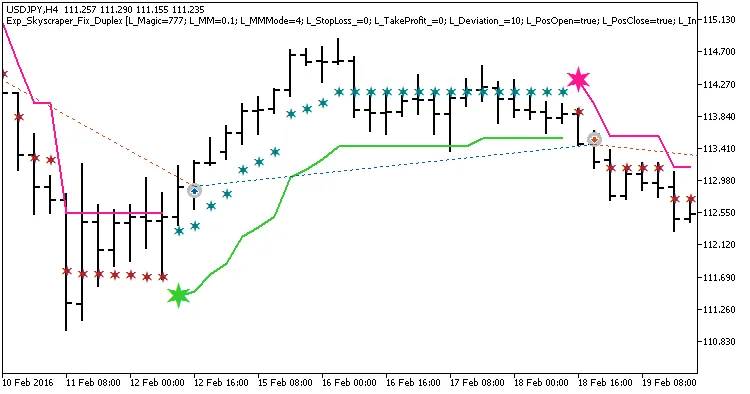
Fig. 1. Examples of deals on the chart with symmetrical settings
Here are the testing results for USDJPY on the H4 timeframe for the year 2017:
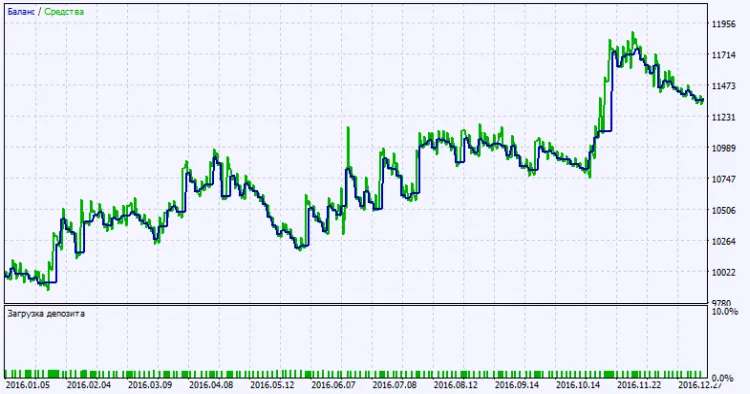
Fig. 2. Testing results chart
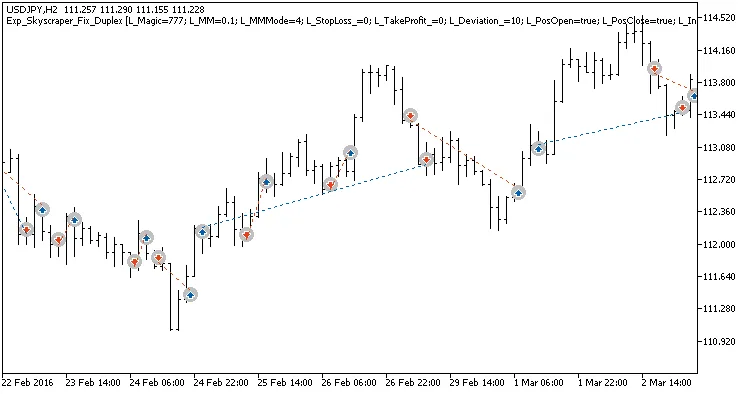
Fig. 3. Examples of deals on the chart with non-symmetrical settings




Comments 0