Technical Indicator

Unlocking Market Insights: The Power of RSI and DeMarker Superposition
MetaTrader4
Unlocking Market Insights: The Power of RSI and DeMarker Superposition

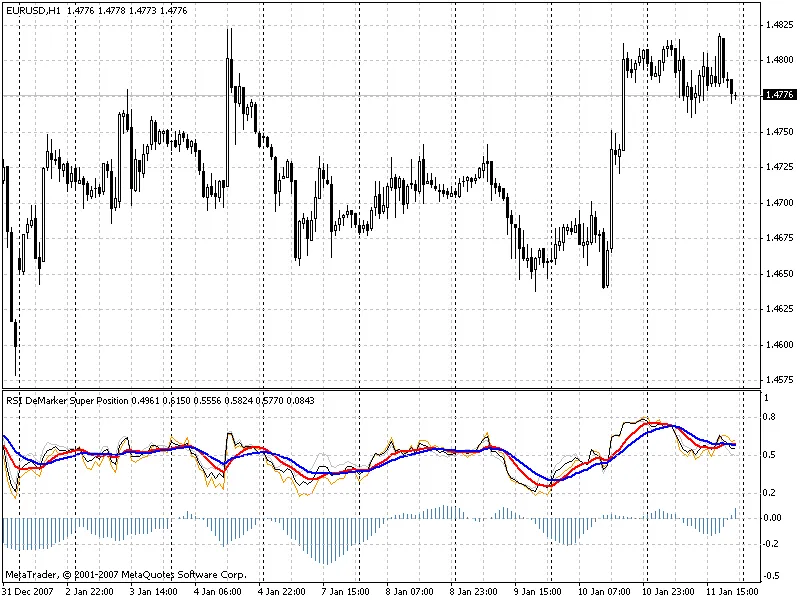
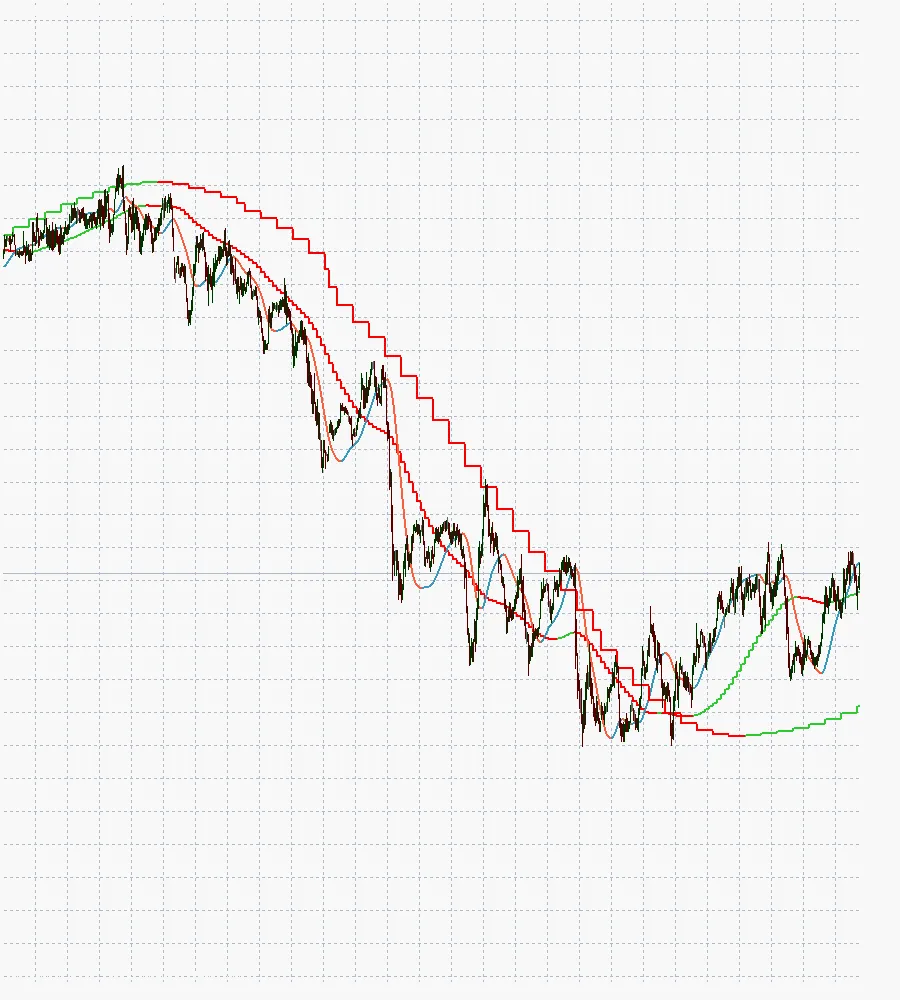
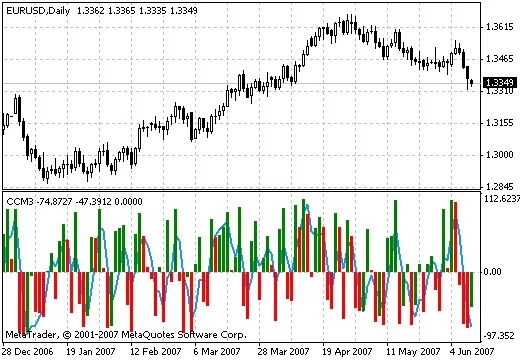
Switching between different periods and indicator parameters can often feel like a time-consuming task, especially when you're trying to get a handle on their behavior and really grasp the underlying dynamics of the indicators. The RSI and DeMarker indicators were developed in a landscape already filled with various standard indicators, each with their own set of parameters. Here's what this setup calculates: Four RSI lines, each with different periods (the period change step can be adjusted in the indicator settings), create a weighted average based on the RSI; Four DeMarker lines, also with varying periods (period change steps are adjustable), form a weighted average based on the DeMarker; Due to the differing dimensions of RSI and DeMarker, the average values are normalized to a common display format; The moving averages for both RSI and DeMarker generate a superposition of the two indicators; To make interpretation easier, two moving average lines are added to the superposition line; For enhanced visualization, a histogram illustrating the difference between the weighted averages of RSI and DeMarker is displayed. The end result? One comprehensive indicator that integrates two values from different periods and showcases different dynamics. It's important to note that RSI and DeMarker don't just react differently to various market conditions on the chart, but they also respond uniquely to their own indicator periods. Understanding this difference can be incredibly beneficial. Additionally, you can choose to smooth out the superposition line for clearer insights.  

2008.02.26
Mastering the Impulse MACD for Better Trading Decisions
MetaTrader4
Mastering the Impulse MACD for Better Trading Decisions

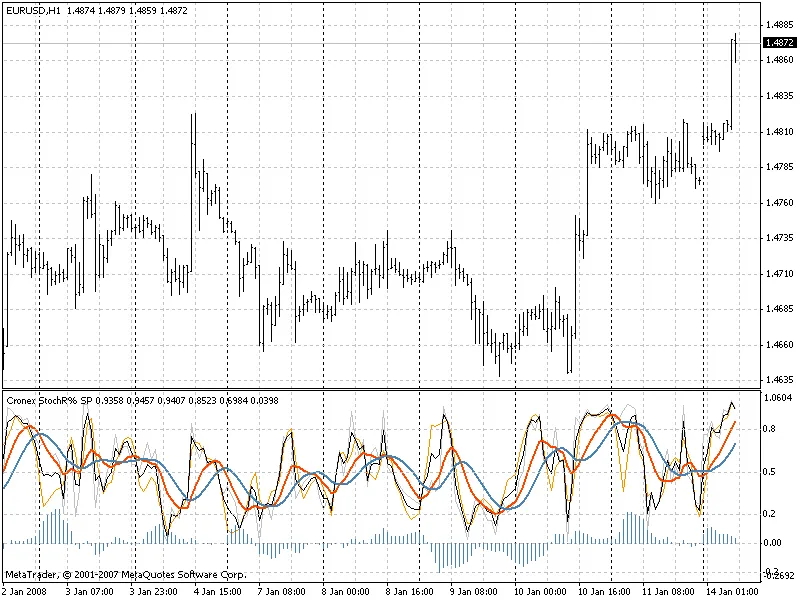
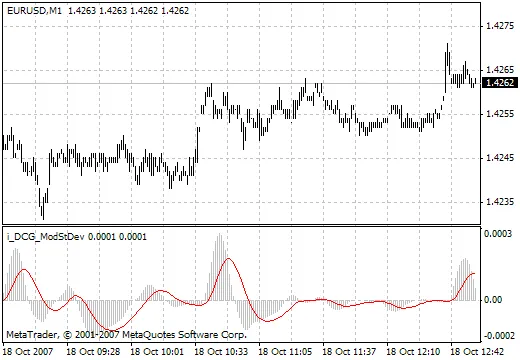
Understanding the Impulse MACD Indicator The Impulse MACD is built on a system that combines three key moving average indicators. When you add these to your chart, you'll really start to see how they work together. First Indicator: SMMA MA of High Second Indicator: SMMA MA of Low These two lines create a channel on your chart. Third Indicator: LWMA MA of Weighted – this serves as the impulse signal line. While the concept might not be groundbreaking, the way we construct the histogram offers a fresh perspective. Why Track MACD Values? You might wonder why it’s essential to keep an eye on MACD values, even when they seem irrelevant. The answer lies in decluttering your chart. By focusing on the position of the impulse signal line relative to the channel lines, you can spot key opportunities: If the impulse line is above the High value, you calculate divergence as the difference between the impulse and the High. If it dips below the Low, you calculate the difference between the impulse and Low. This method helps eliminate intermediary movements, giving you a clearer picture. Additionally, you’ll find a signal line in the histogram typical of the MACD indicator. Trading with the Impulse MACD The trading strategy here is straightforward: only enter trades when the histogram crosses the zero line. If the direction changes, set a trailing stop and wait for the next crossover, especially if a stop triggers. This way, you’re capitalizing on the initial price movement impulse. By mastering the Impulse MACD, you’ll enhance your trading decisions and better navigate the markets.

2008.02.26
Understanding the Tunnel Indicator: A Trader's Guide
MetaTrader4
Understanding the Tunnel Indicator: A Trader's Guide

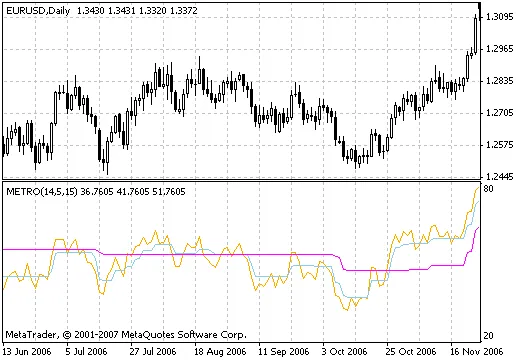
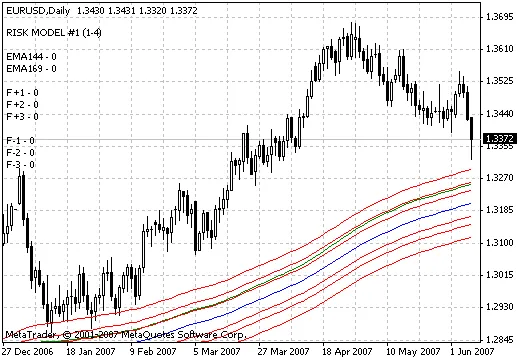
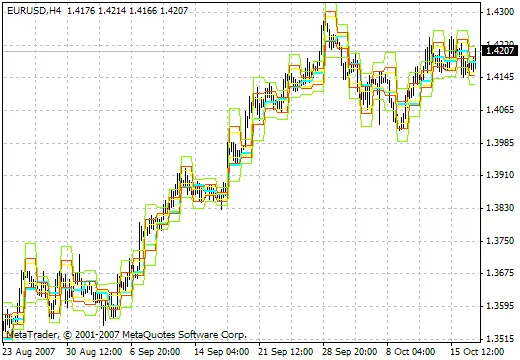
Hey fellow traders! Today, let’s dive into a nifty tool that can help sharpen your trading edge—the Tunnel Indicator. If you haven’t come across this gem yet, or if you’re looking to brush up on your knowledge, you’re in the right place! What is the Tunnel Indicator? The Tunnel Indicator is a visual tool designed to assist traders in identifying trends and potential entry and exit points. It essentially creates a 'tunnel' around the price action, helping you see where the market is headed. How Does It Work? Trend Identification: The Tunnel Indicator works by plotting two lines above and below the price, allowing you to quickly gauge whether the market is in an upward or downward trend. Entry and Exit Signals: When the price breaks through the tunnel lines, it can signal a potential trading opportunity. Keep your eyes peeled for these breakouts! Adjustable Parameters: You can tweak the settings to suit your trading style, whether you’re a scalper or a long-term trader. Why Use the Tunnel Indicator? Many traders find that the Tunnel Indicator helps simplify their decision-making process. It cuts through the noise and gives a clear visual representation of market movements. Plus, it can be easily combined with other indicators for a more robust trading strategy. Final Thoughts If you’re looking to add a reliable tool to your trading toolbox, the Tunnel Indicator is worth considering. Give it a whirl and see how it fits into your trading plan!

2008.02.22
First Previous 376 377 378 379 380 381 382 383 384 385 386 Next Last